
- Store 4-AcO in a sealed, light-protected container.
- Keep at room temperature and in a dry environment.
- Ensure it is inaccessible to unauthorized personnel.
- Proper storage helps maintain chemical stability and purity.
Important Notice

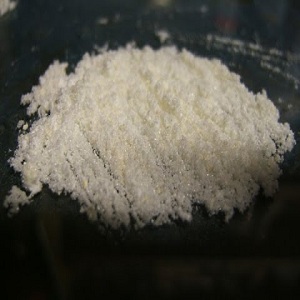
4-AcO-DMT (4-Acetoxy-N,N-dimethyltryptamine) is a synthetic psychedelic tryptamine use primarily as a research chemical in neuropharmacological and forensic studies. Closely relate to psilocin, it helps researchers explore how serotonergic compounds influence perception, mood, and cognition. Because of its structural similarity to naturally occurring tryptamines, it is frequently use as an analytical reference in toxicology and GC/MS laboratories. 4-AcO-DMT plays a vital role in mapping serotonin receptor interactions and understanding the biochemical basis of altered states of consciousness. While the compound is valuable for its research applications, its potency requires careful handling, precise measurement, and adherence to all laboratory safety standards to ensure reliable results and researcher safety.
This compound should only be handle by traine professionals within certified research facilities. Measurement must be conducte using precision instruments, and all contact should be avoided through proper use of gloves, masks, and protective equipment.
4-AcO(4-Acetoxy-N,N-dimethyltryptamine) is classifie as a controlle substance in many countries. Its use is restricte to legitimate scientific and forensic purposes. Unauthorize handling or possession can result in legal penalties.
Handle 4-AcO in a controlled, ventilated laboratory environment. Use sealed containers and prevent environmental exposure. Ensure all personnel handling the substance are traine in chemical safety procedures.
This compound may interact with other psychoactive substances that affect serotonin receptor study receptors. Such interactions should be studied only under approved, supervised research settings with proper documentation.
Maintain a detaile research log when working with 4-AcO. Proper labeling, sample control, and documentation support safety and experimental accuracy.
Storage
4-AcO-DMT is strictly intende for laboratory, analytical, and forensic research. It must not be use for human consumption or therapeutic applications. Misuse of this chemical may result in severe psychological and physiological effects, including hallucinations, disorientation, and potential long-term mental health complications. Always ensure research is conducted responsibly, with adherence to all safety and ethical standards.
4-AcO-DMT, also known as Psilacetin, is a synthetic psychedelic compound use for research and analytical purposes. At Saving Life Care, we provide high-purity, lab-tested 4-AcO-DMT with discreet and secure delivery. Order confidently from a trusted source.
If you want to purchase 4-aco-dmt, you can visit Saving Life Care. We provide fast & secure worldwide delivery with 100% privacy and discreet packaging ensured. Here you will get original and high‑quality products without any delay. Simply visit the website, place your order, and receive safe delivery right to your doorstep — in any country around the world.
| Weight | 20 Grams, 500 Grams, 1Kg |
|---|
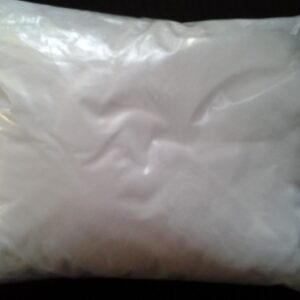
Research Chemicals
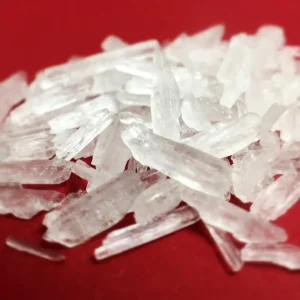
Research Chemicals
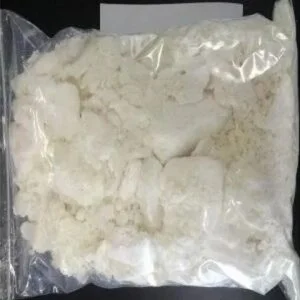
Research Chemicals
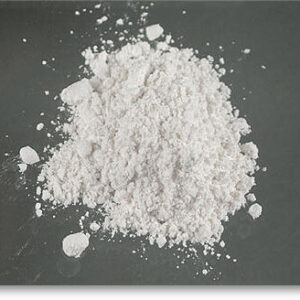
Research Chemicals
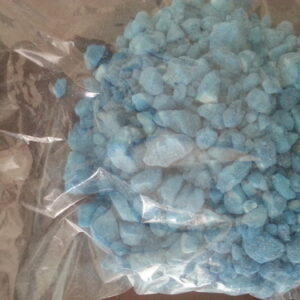
Research Chemicals
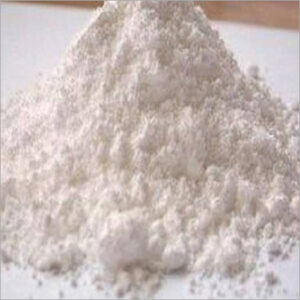
Research Chemicals
Research Chemicals
Research Chemicals
Reviews
There are no reviews yet.