
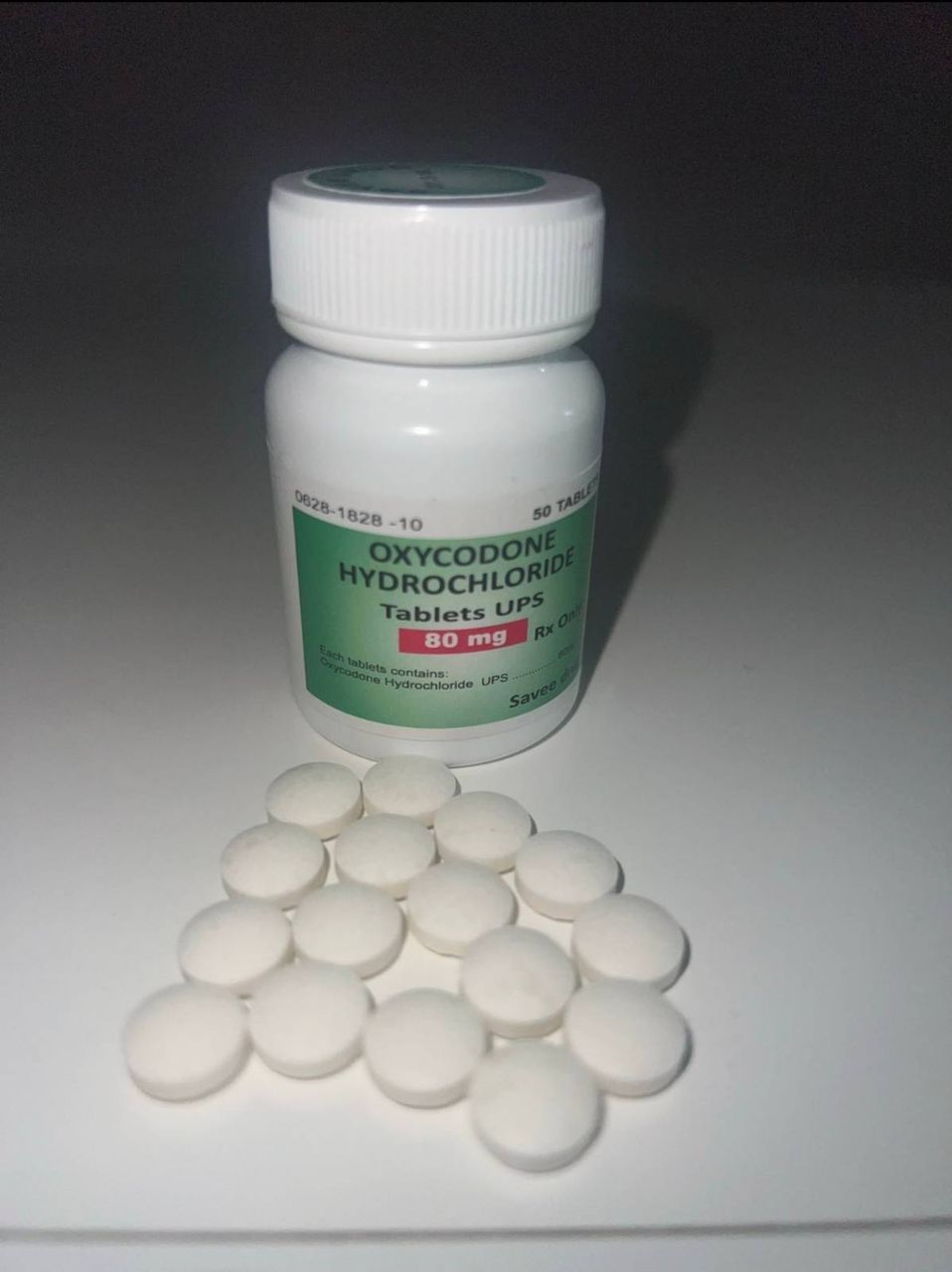
Buy Oxycodone Overview – Uses & Important Information
Oxycodone is a prescription opioid medication used to manage moderate to severe pain in adults, especially when other non-opioid treatments have not provided sufficient relief. Doctors generally recommend oxycodone only for specific and serious pain conditions, as it has a high risk of dependency and misuse. It works by altering pain signals in the brain, helping patients feel reduced levels of discomfort.
Oxycodone is available alone or combined with acetaminophen, aspirin, or ibuprofen. When using combination products, it is important to check the ingredients carefully and follow professional medical guidance to avoid overdose or harmful interactions.
This medication is available in different formulations. Immediate-release oxycodone is prescribed for short-term management of moderate to intense pain, while extended-release forms are intended for long-term treatment of chronic severe pain where continued around-the-clock pain control is required.
Benefits of Using Oxycodone
- Provides strong relief for moderate to severe pain.
- Helps manage pain that does not respond to non-opioid medications.
- Useful for post-surgical pain, injury pain, or cancer-related pain.
- Available in different forms (immediate & extended-release) for flexible pain control.
- Works by changing how the brain and nervous system respond to pain, allowing comfort and improved functioning.
- Can improve quality of life for patients with chronic severe pain under proper medical supervision.
How to Use Oxycodone
Oxycodone is available as tablets, capsules, oral solution, and extended-release (ER) forms. Regular tablets, capsules, and liquid are usually taken every 3–4 hours, while extended-release forms are taken every 12 hours. Always follow your doctor’s prescription because misuse may lead to addiction or overdose.
Swallow the medicine whole with water — do not chew or crush it. ER capsules may be opened and sprinkled on soft food (like yogurt) if you cannot swallow, but use immediately and do not store. Avoid grapefruit or grapefruit juice, as it can react with the medication. Consult your doctor if you use a nasogastric (NG) tube.
How Does Oxycodone Work?
Oxycodone doesn’t affect every part of the body uniformly. Instead, it focuses on specific tissues and systems, including the brainstem (responsible for breathing), the medulla (cough control center), the pupils, immune and endocrine systems, cardiovascular functions, and the gastrointestinal tract. After entering the body, oxycodone is absorbed into the bloodstream and crosses the blood–brain barrier to reach targeted tissues. Once there, it interacts with opioid receptors and alters the perception of pain, signaling the brain to feel reduced discomfort even if the underlying cause of pain still exists.
Side Effects of Oxycodone
Taking oxycodone can cause several side effects ranging from mild to serious. It is important to monitor your body’s reaction while taking this medication and seek medical help if necessary.
Mild Side Effects
These symptoms are usually temporary but should be monitored:
- Very low blood pressure leading to drowsiness
- Dry mouth
- Headache
- Stomach pain
- Dizziness
- Flushing
- Sudden mood changes
If any of these symptoms last longer than 3–4 hours, contact your doctor immediately.
Serious Side Effects
Seek emergency medical help if you experience:
- Rapid or irregular heartbeat
- Hallucinations or fever
- Chest pain
- Itching or severe skin reactions
- Seizures
- Lightheadedness or fainting
- Hoarseness
- Swelling of the face, tongue, arms, or legs
- Severe rash or hives
- Decreased sexual desire
- Irregular menstrual cycle (in females)
- Worsening erectile dysfunction
These symptoms may require urgent medical intervention. This is not a complete list of possible allergic or adverse reactions. If you feel any unusual discomfort, consult your doctor immediately.
Storage Instructions
- Keep the medication out of reach of children.
- Store at room temperature in a dry, dark place.
- Protect the medicine from moisture, as it may damage the tablets.
- Keep the bottle tightly sealed.
- Properly dispose of any expired or unused medication following pharmacy or local guidelines.
What to Do in Case of Overdose
Oxycodone is an addictive opioid and misuse or overdose can be life-threatening. You may feel the urge to increase your dose, but never take more than prescribed.
Keep Naloxone at home and inform your family on when and how to use it.
Symptoms of Oxycodone Overdose
- Respiratory depression (slow or stopped breathing)
- Abnormal snoring or choking sounds
- Very slow heartbeat (bradycardia)
- Muscle weakness
- Stupor or inability to stay awake
- Constricted (tiny) pupils
- Clammy, cold skin
- Severe sleepiness or unconsciousness
- Partial airway obstruction
If overdose is suspected:
- Call emergency medical help immediately.
- Administer Naloxone if available.
- Even if the person wakes up, contact emergency services or a poison control center.
Quick treatment can save a life.
What to Do If You Miss a Dose
- Take the missed dose as soon as you remember.
- If it is almost time for your next dose, skip the missed dose—do not double dose.
- Extended-release tablets or capsules should only be taken once every 12 hours.
- Set reminders or ask a family member to help you stay on schedule.
Where to Buy Oxycodone?
If you want to purchase Oxycodone, you can visit Saving Life Care. We provide fast & secure worldwide delivery with 100% privacy and discreet packaging ensured. Here you will get original and high‑quality products without any delay.
Simply visit the Saving Life Care, place your order, and receive safe delivery right to your doorstep — in any country around the world.
Be the first to review “Oxycodone”
Related products
Pharmaceuticals
Pharmaceuticals
Pharmaceuticals
Pharmaceuticals
Pharmaceuticals
Pharmaceuticals
Pharmaceuticals
Pharmaceuticals
Reviews
There are no reviews yet.